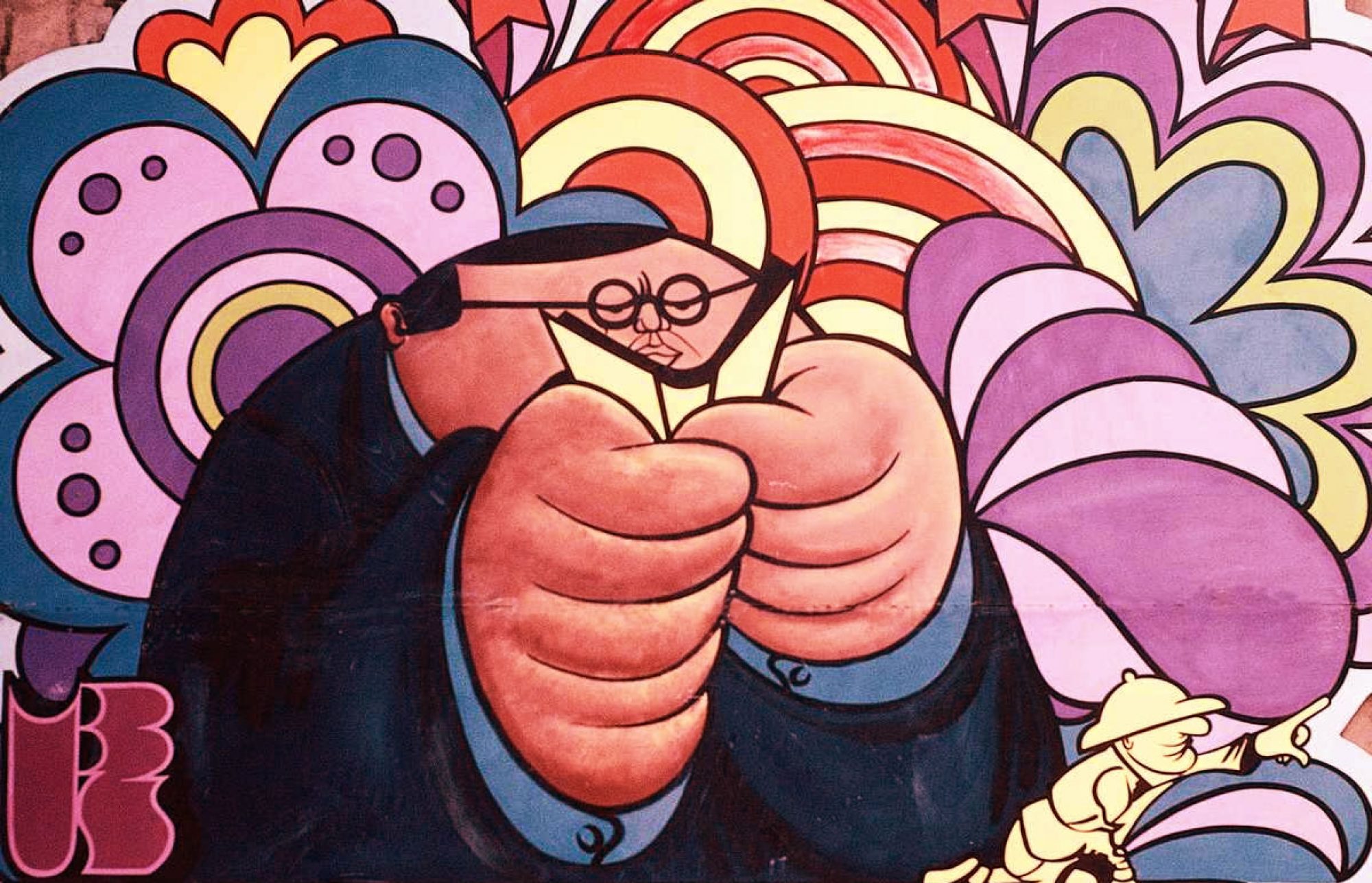

The Unconscious Civilization, by John Ralston Saul
In this intellectual tour de force, Saul argues that the West now toils unconsciously in the grip of a stifling “corporatist” structure that serves the needs of business managers and technocrats as it promotes the segmentation of society into competing interest groups and ethnic blocks.
( Courtesy of GoodReads , 200 pages )
Plotting and Chopping, Tudors and Stuarts with a few gory bits, by Scoular Anderson

The Ruthless Romans, by Terry Deary, illustrations Martin Brown
Alberto Casella, Death Takes A Holiday, A Comedy In Three Acts
Produced with great success on Broadway, this striking drama has established itself among the important plays of our time. It is based on the poetic conception of death suspending all activities for three days during which he falls in love with a beautiful girl and through her realizes why mortals fear him. The mood of the play is established with remarkable skill and while it is charged with exciting moments, it is a perfect background for a love story that is as simple as it is appealing. The character who symbolizes Death is a very human person, with no conventional claptrap dragged in for mere effect. Here is a play that stimulates discussion and presents a novel and optimistic philosophy of the problems of love and death. This is one of the most popular and successful plays for amateurs.
( Courtesy of GoodReads, 155 pages )
Sandra Eagleton, Women In Literature, Life Stages Through Stories, Poems, and Plays: Colette; Grace Paley; Anne Sexton; Nikki Giovanni; George Eliot; Carson McCullers; Joyce Carol Oates; Alice Walker; Marge Piercy; Doris Lessing; Adrienne Rich; Emily Dickinson; and many more authors, both established and new.
The 31 short stories, 49 poems, 2 novel excerpts, and 4 plays featured in this unique collection reaffirm the central place of women in the development of the genres of fiction, poetry, and drama. Prefaced by thought-provoking introductory comments, these works are grouped according to the life stages of women–childhood, adolescence, adulthood, old age, and death. As a result, large themes and unexpected concordances become apparent across the widely ranging times, places, cultures, and lifestyles of the women portrayed.
( Courtesy of Google Books, 472 pages )
Joseph DeRoche, Introduction to Poetry
This affordable, chronologically arranged anthology features more than 500 poems written between the eighth century and the present. Multiple works by major poets allow students to compare different poems by the same author. The overall theme of the book asserts that poetry is a crafted art that is either molded by, added to, or reacting against tradition. A Brief History essays throughout the book discuss the social and cultural contexts of poems, major developments in the history of poetry, and technical literary terms.
Ⓒ 2000 ISBN 9780395958247 Edition 6 595 Pages
Aaron Copland, What To Listen For In Music
In this fascinating analysis of how to listen to music intelligently, Aaron Copland raises two basic questions: Are you hearing everything that is going on? Are you really being sensitive to it? If you cannot answer yes to both questions, you owe it to yourself to read this book. Whether you listen to Mozart or Duke Ellington, Aaron Copland’s provocative suggestions for listening to music from his point of view will bring you a deeper appreciation of the most rewarding of all art forms.
( from the sleeve, 183 pages )
Siddharth Dhanvant Shanghvi, The Last Song Of Dusk
“Set in 1920s India, this magical debut novel tells the story of beautiful Anuradha, whose songs are spellbinding, but whose fate is troubled.”
–Elle
When the astonishingly lovely Anuradha moves to Bombay to marry Vardhmaan, a charming young doctor, their life together has all the makings of a fairy tale. But when their firstborn son dies in a terrible accident, tragedy transforms their marriage into a bleak landscape. As the pair starts fresh in a heartbroken old villa by the sea, they are joined by Nandini, a dazzling and devious artist with a trace of leopard blood in her veins. While Nandini flamboyantly takes on Bombay’s art scene, the couple attempts to mend their marriage, eventually discovering that real love, mercurial and many-hued, is given and received in silence. Sensuous and electric, achingly moving and wickedly funny, The Last Song of Dusk is a tale of fate that will haunt your heart like an old and beloved song.
“A cornucopia of life at full tilt and high color . . . Shanghvi–who’s been compared to Arundhati Roy, Zadie Smith, and Vikram Seth–combines ribald humor with prose poetry.”
–Sunday Oregonian
“Few first novelists achieve such perfection, such control, in their performance.”
–India Today
“A gorgeous novel . . . written with a youthful twinkling eye.”
–Los Angeles Times Book Review
“Lush, witty . . . sassy prose . . . moves like a carnival ride.”
–San Francisco Chronicle
( those cited above Courtesy of GoodReads, 312 pages )